A JOURNAL FROM THE NORWEGIAN OCEAN INDUSTRY AUTHORITY
New status for intervention
Intervention has traditionally been the "little brother" in drilling and well operations, for no obvious reason. This type of activity is both complex and important, with the potential for major incidents. The field is now receiving recognition.
Published:
12.05.2026
Text: Olav Hove
Photo: Elisabeth Kjørmo
All work that is carried out in an oil well after it has been drilled and put into production is called intervention.
Statistics show that over the course of a year, few adverse incidents are reported in connection with intervention activity. Nevertheless, a concerted effort is being made across the industry to increase intervention awareness.
Keeping the well safe
An oil well lasts for many years, and over time natural changes occur necessitating adjustments, repairs and clean-up. There are many reasons to carry out a well intervention: keeping the well safe, ensuring that it produces optimally, correcting problems or preparing it for larger tasks ahead.
Whilst intervention is both complex and important, it has traditionally been ranked as the junior in drilling and well operations, and for no good reason.
Nomads
“Well intervention operators are the nomads of the oil world. They travel from facility to facility, assemble heavy equipment, do the job – and move on," outlines Monica Ovesen, specialist manager for drilling and well operations at Havtil.
“Traditionally, the effect of intervention work has not been directly linked to value creation, which might explain why its status is as it is,” she says.
However, a concerted industry effort to increase the focus on well intervention is now underway. Not necessarily to raise the status of the field, but to reinforce safety, learning and understanding.
"One factor is the level of activity: Three times more well interventions than drilling operations are carried out in a year," says Ovesen, and points to several other factors which merit greater attention:
"This is high-risk work, and the risk is different from drilling. The failure mechanisms are less spectacular, but more insidious. Errors or failures during intervention can trigger the same type of major accident potential as in drilling but are often underestimated.”
An outdated reporting system
Figures show that there are very few unwanted intervention-related events in a year.
This relates to the fact that the reporting system was, until recently, adapted more to drilling and less to intervention.
Ovesen and her team explain that the previous version of the industry guideline was very comprehensive. It was also extremely detailed, making it difficult to ascertain what should be reported and how events should be categorized. The result was under-reporting, misclassifications and a misleading risk picture.
In line with the increasing focus on intervention, the guideline has been revised.
"It is now simpler, has clearer categories, leaves less room for misunderstandings and is far better adapted to well intervention. In addition, we hope that more incidents will be reported and shared, so that we can enable learning across all stakeholders," says Ovesen.
Havtil places a particular focus on highlighting and understanding the risk picture of well intervention, where work in live wells and insidious fault mechanisms can result in major accident potential. Good barrier management is key.
Monica Ovesen, head of drilling and well activities at Havtil
New collaboration
The measures don´t stop there. In collaboration with the industry organization Icota (Intervention & Coiled Tubing Association), Havtil organizes and hosts the annual Intervention Day for experts in the field.
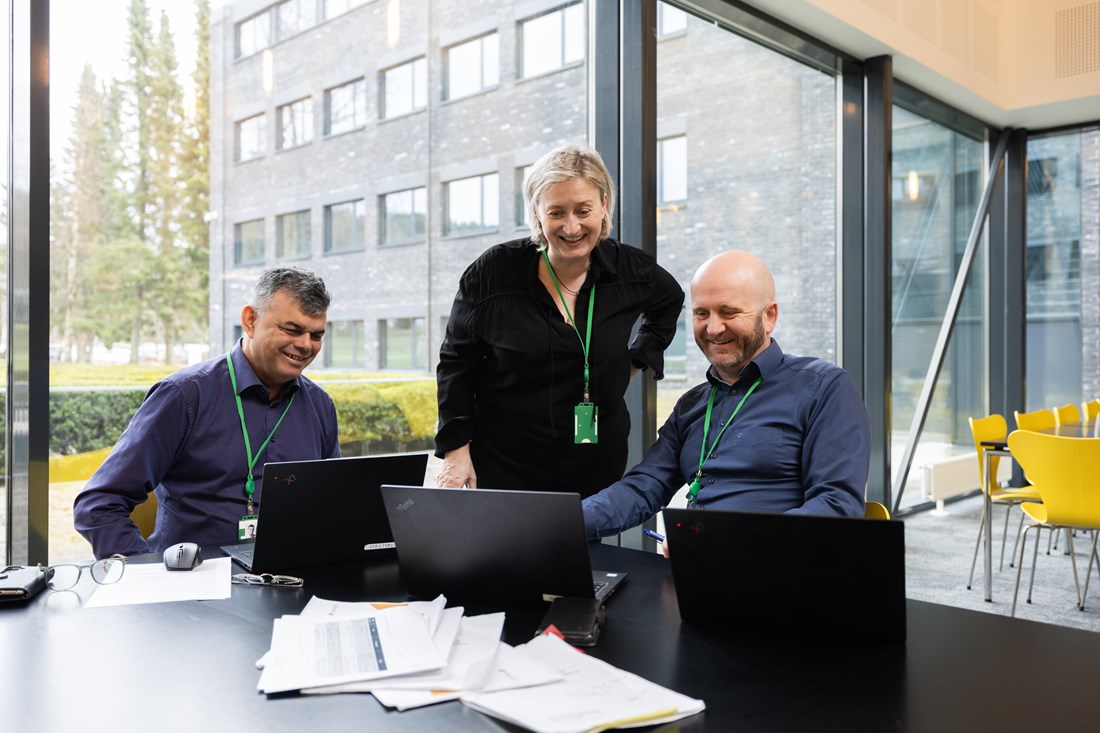
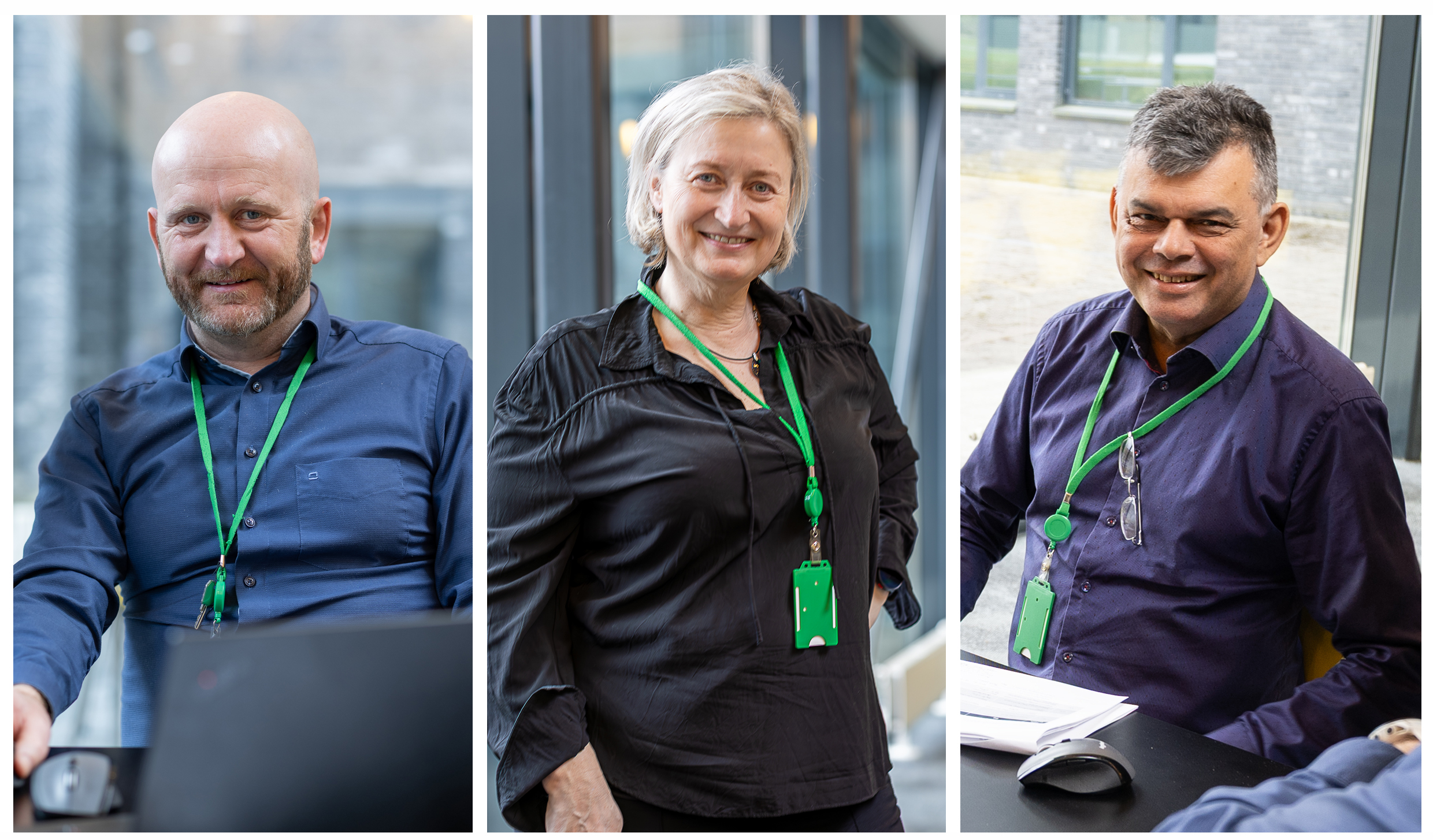
Monica Ovesen and her colleagues Tor Inge Handeland, Siren Øsebak and Vibjørn Dagestad from Drilling and Well Operations, are behind this Havtil event. Everyone views the collaboration with Icota as unique. The feeling is mutual:
"We see ourselves as the leading intervention organization in the world. Havtil´s wish to collaborate with us is an added seal of approval," says Max Sørensen, who holds several positions within Icota in Scandinavia, Europe and globally.
Sørensen explains that Icota's role is to function as a professional meeting forum for the entire intervention community, where operators, suppliers, authorities and safety officials can gather on an equal footing.
According to Sørensen, this is precisely why the collaboration with Havtil is so rewarding.
“Icota is neutral territory, providing a low threshold for sharing both successes and failures. Honest discussions which progress the field are welcomed. The authority perspective allows for a more holistic approach to risk. Both professional distance and insight co-exist and complement each other, which is a strength.”
Intervention Day has swiftly become a popular event for the professional community. Here, well and intervention experts from the entire continental shelf meet for professional presentations, demonstrations, discussions and case studies from actual operations.
“It means a lot that someone takes the initiative to host this type of arena,” says Sørensen.
"It's not just about showing off technology, but about putting a specific field on the map. Havtil´s collaboration with us adds another level of authority. Their desire to listen, discuss and learn with the industry creates trust. And trust is key to learning.”
The intervention family
This same trust is underscored by Sigbjørn Lundal of the oil service company SLB. As chief safety representative, he has seen the development from close quarters. For him, the success behind the focus on intervention in recent years is not primarily due to technology or regulations, but to culture.
“We like to call ourselves 'the intervention family'”, says Lundal, “and it isn´t just an empty cliché. Live wells, confined work areas, heavy equipment and many different people having to work closely make for a demanding job. It´s crucial that our working environment is one of openness, trust and mutual respect.”
He explains that the intervention community has historically been rather isolated, a field of experts travelling between facilities, doing their job and disappearing. It could easily make them feel more like guests than an integrated part of operations. But this has changed.
“In recent years, we have noticed the operators becoming much more inclusive towards us,” says Lundal.
“We sit on the working environment committee, we participate in planning and we are involved from day one when new technology or new methods are being considered. This has strengthened safety and security. You build better solutions when those who are going to use them have a seat at the table.”
He emphasizes the significance of Havtil's role in this change:
“Havtil have been good at establishing requirements, but they have also been good at listening. They meet with people out on the facilities, they ask pertinent questions and show an interest in what happens on deck. They aren´t just inspectors – they are professionals who want to help us become better.”
Havtil attaches importance to close dialogue with operators, suppliers and safety organisations, including through cooperation with ICoTA, in order to strengthen mutual understanding, participation and continuous improvement in the field of intervention.
Tor Inge Handeland, Havtil
Joint effort
For Lundal, it is the combination of technical development, improved reporting and stronger tripartite cooperation that is lifting the field:
“What we are doing today is better than what we did ten years ago. But most importantly, we have a better understanding - of the risks, the consequences and the importance of thorough planning.”
He is also clear that volume alone is a key factor going forwards.
“The number of well interventions carried out in a year is very high. It goes without saying that this is a field which merits attention.
And we truly appreciate Havtil´s inspection visits,” says Lundal.
“They give us the opportunity to show what we are working on and where we see challenges. Inspection is not about finding faults, but about finding room for improvement. When used as a basis, this perspective will in turn deliver far better results.”
Better reporting and more accurate classification of incidents have led to the industry gaining a more realistic basis for learning and prevention across operators.
Vibjørn Dagestad, Havtil.
Looking to Norway
Max Sørensen from Icota sees things from an international perspective. He believes that Norway is in the process of assuming a leading role in well intervention work:
"What is happening on the Norwegian continental shelf is getting noticed. Other countries look to Norway because the collaboration between authorities and industry works. You simply don´t see that level of transparency everywhere. When you have a field that works in line with best practices coupled with authorities that both challenge and support, you get an environment that develops rapidly.”
Havtil's specialist manager for drilling and well operations agrees fully that transparency is crucial.
“The most important thing we can do is to keep learning - together,” says Ovesen.
“Knowledge sharing and transparency hold the key to progress, real risk reduction and strengthened security. This is essential, because intervention will only become more important in the years to come,” she concludes.
More articles from Dialogue no. 1 - 2026:
If the unthinkable should happen
Before the crisis hits

The threat assessment for Norwegian petroleum activities
Preparedness in their blood
Founders arming up
From bark beetles to NATO
Dual-purpose technology
Calls for a clear mineral strategy
New status for intervention
The network beneath the waves
Safe structures and robust material choices
Would you like to receive Dialogue in print completely free of charge? Send an email to dialogue@havtil.no and state how many copies you would like.