A JOURNAL FROM THE NORWEGIAN OCEAN INDUSTRY AUTHORITY
Preparedness in their blood
In Finland, preparedness is not a plan. It is a way of shaping society. Join us in the country where cooperation between authorities and industry has turned crises into a driving force for innovation.
Published:
17.04.2026
Text: Eileen Brundtland
Photo: Vesa Laitinen
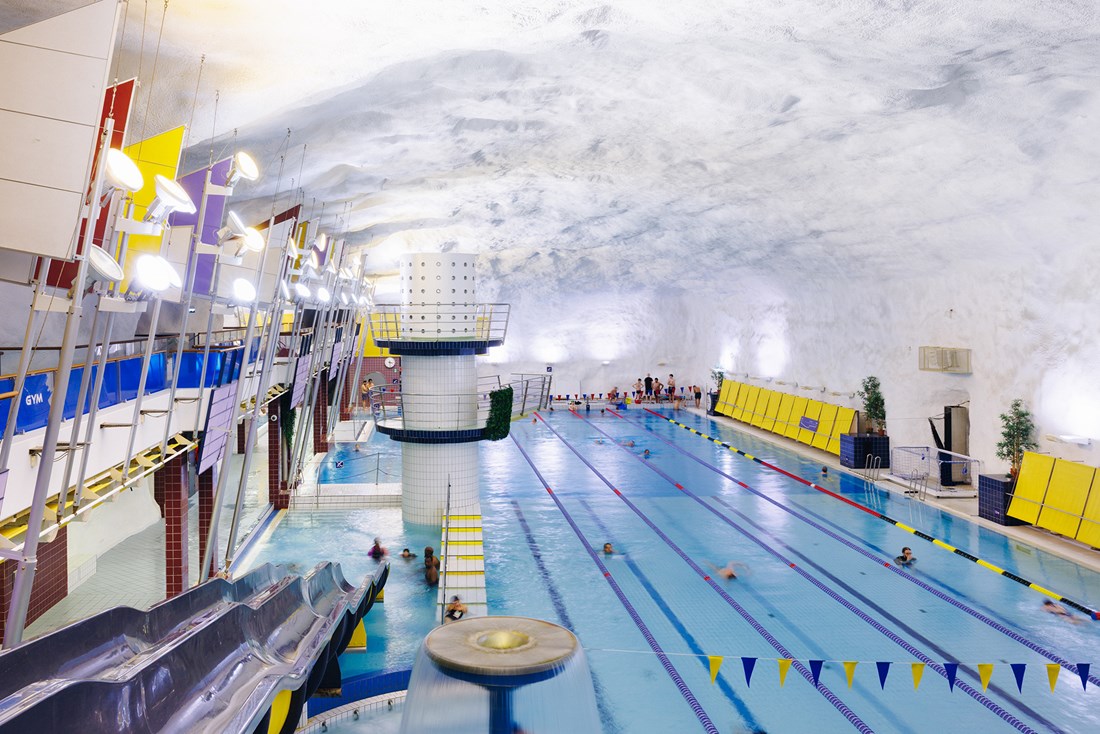
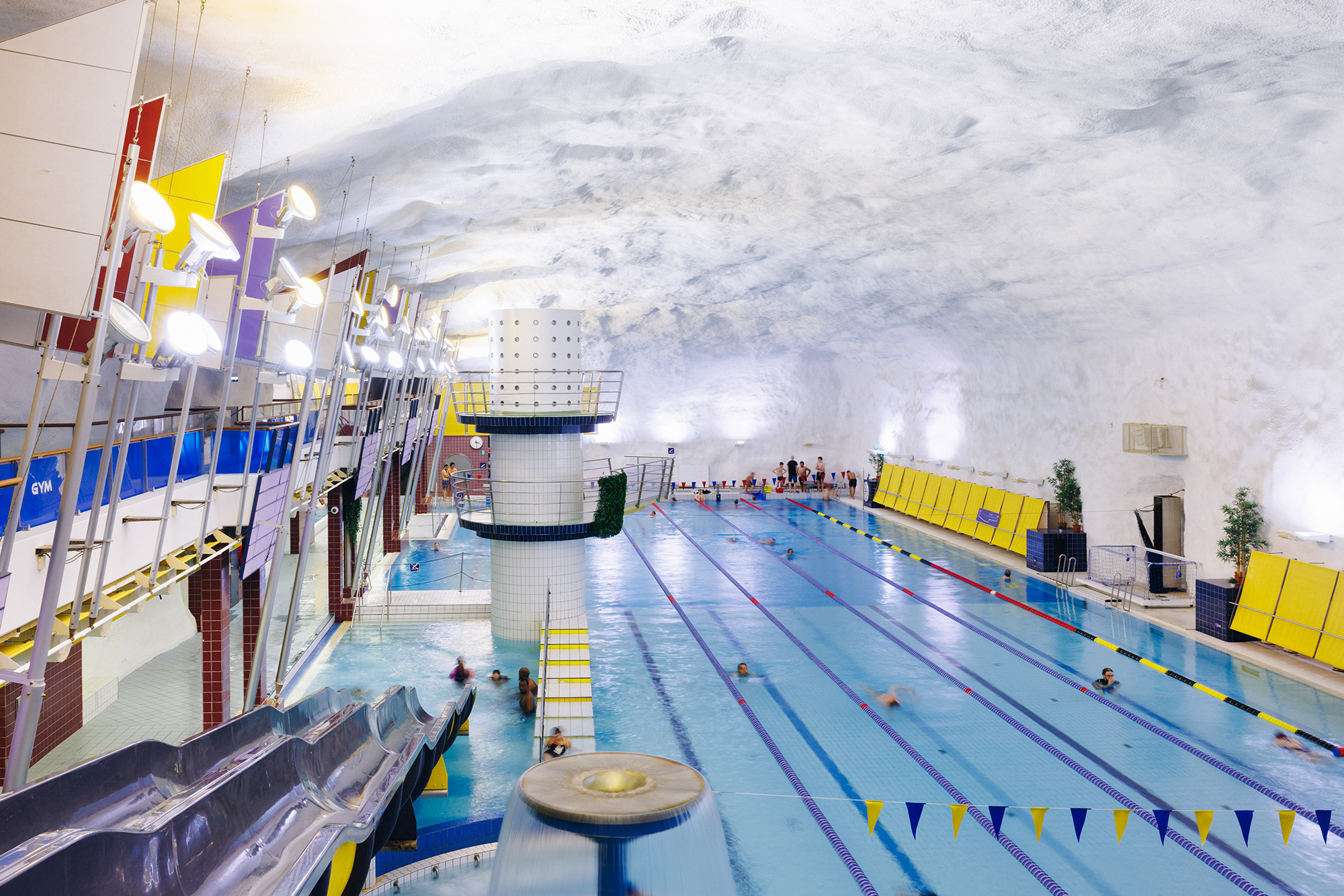
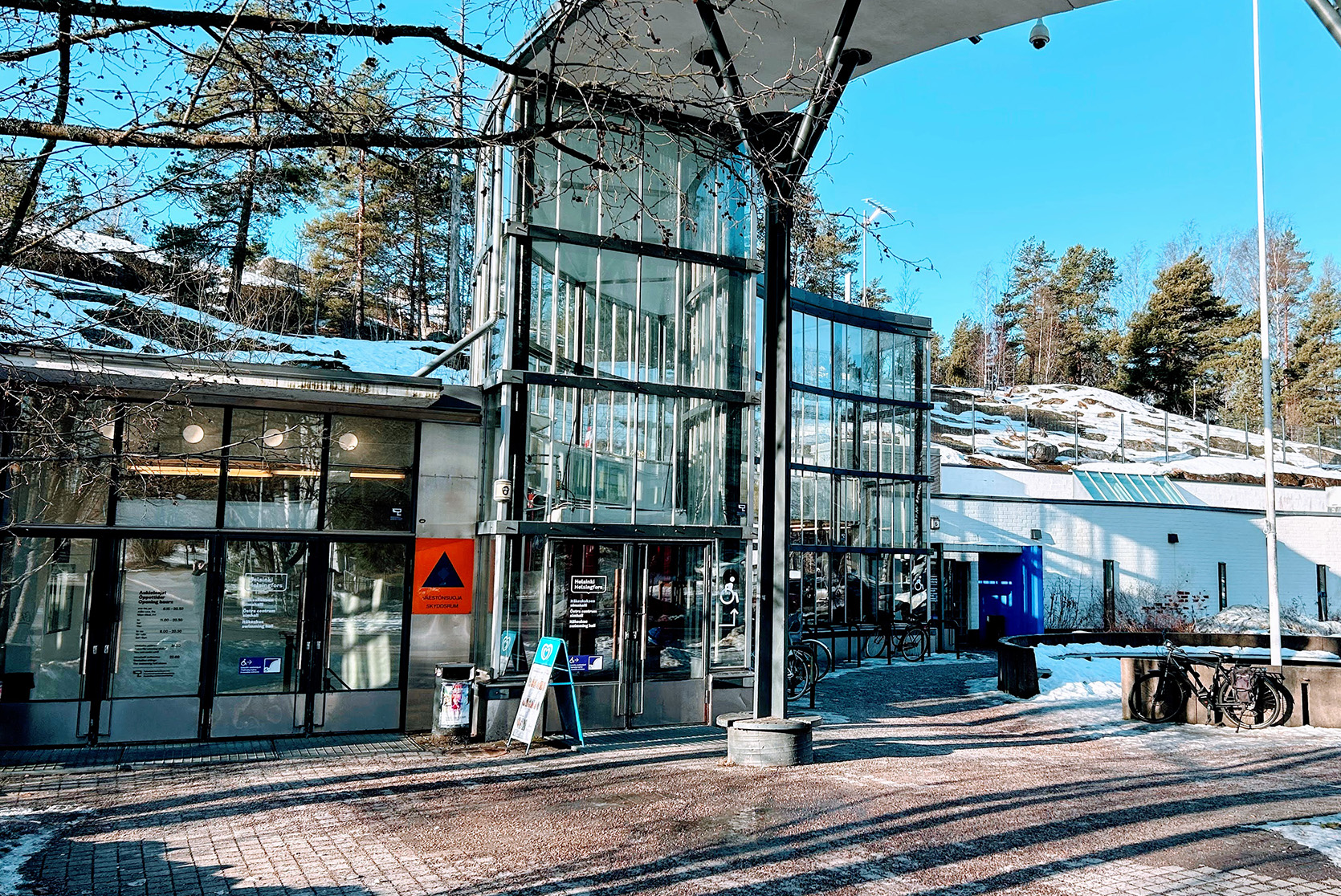
On a Friday morning in March, the Itäkeskus public swimming pool in eastern Helsinki is already alive. There is a faint smell of chlorine and sauna in the air. The three pools are bustling: a school class practises the crawl, pensioners glide slowly through the water, and in the paddling pool local kindergarten children splash and play. Steam and laughter rise from the sauna.
Above the pools hangs a massive ceiling of white-painted blasted rock. Only a small sign on the door above ground reveals what the place also is: ‘Shelter’. Within the space of a few hours, the pools can be drained and the hall turned into an emergency shelter for almost 4,000 people.
This is Finland. Here, emergency shelters routinely do double duty as metro stations, parking facilities and sports halls, full of life on an ordinary Friday. Preparedness is not tucked away in a crisis binder. It is a part of daily life.
Norway celebrates its independence. Finland protects it
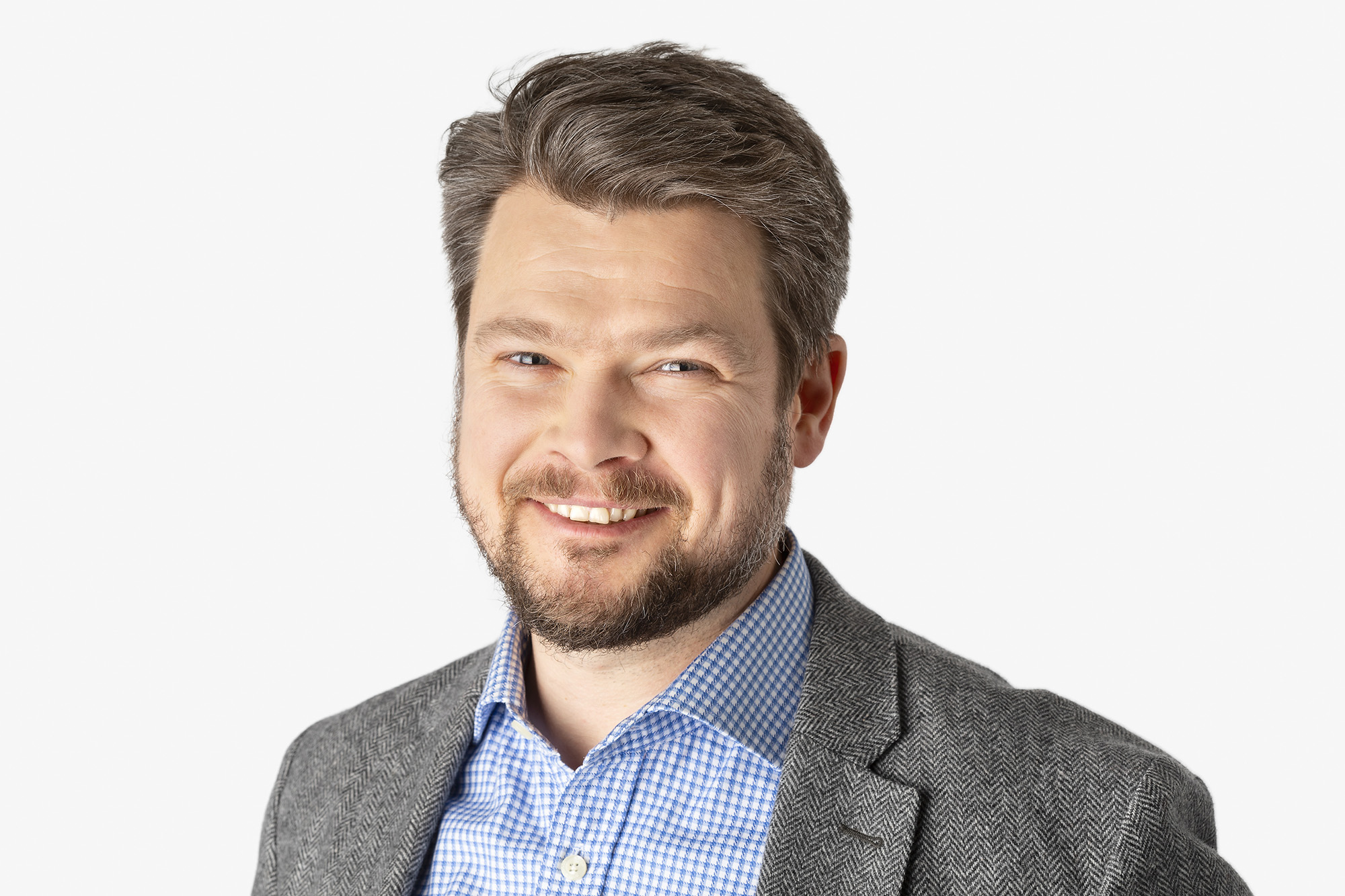
To understand the swimming pool, we need to understand the history behind it. Axel Hagelstam is director of international relations and analysis at the National Emergency Supply Agency, the Finnish body that coordinates emergency preparedness cooperation between the state and the business sector.
He takes a moment to put things into perspective.
“Being neighbours with Russia is a key part of Finnish identity. It is a history marked by conflict.”
The contrast with Norway illustrates the difference: While Norwegian children celebrate 17 May with parades, the Finns stay at home on their national day, light two candles and listen to Finlandia.
“You celebrate independence. We safeguard it.”
The Winter War and the Continuation War against the Soviet Union demanded the mobilisation of an entire society. A small country with a small economy, fighting largely alone.
Finland retained its independence but lost over ten percent of its territory. Decades of political isolation ensued. This forced the country to build a system that had to stand on its own two feet, and one in which the business sector became a natural and integral part of national emergency preparedness.
27 committees and 1500 critical organisations
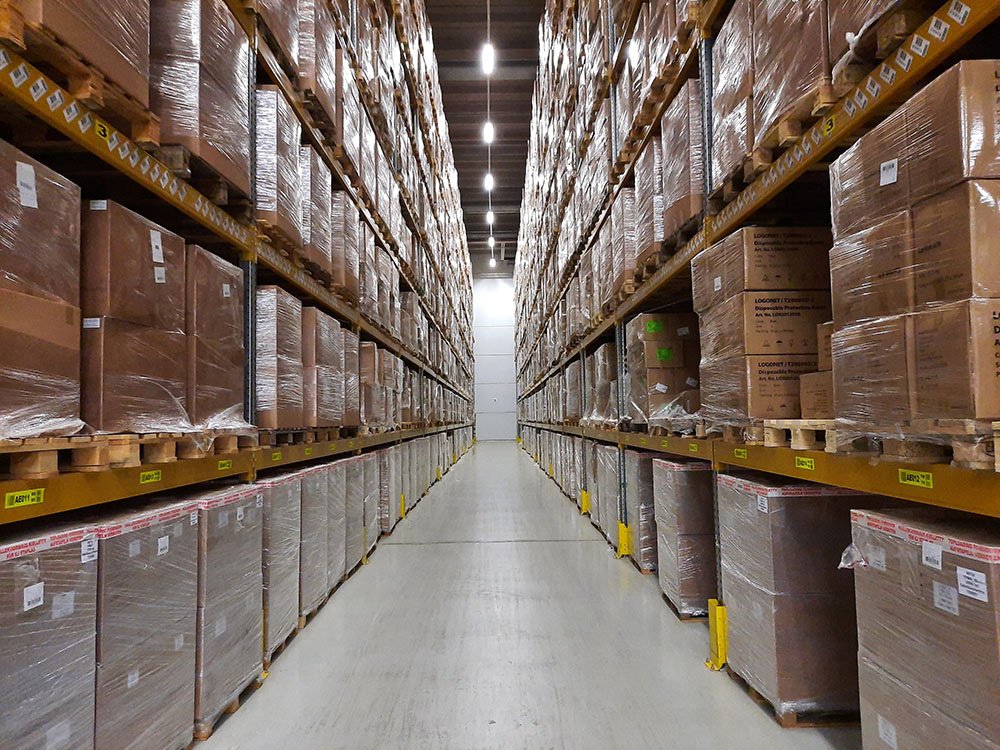
Hagelstam explains that the core of the Finnish system consists of 27 industry committees – so-called pools – across seven sectors: energy, food, health, logistics, finance, industry and digital infrastructure.
Here, representatives from the authorities, business and industry organizations meet regularly to share insights, discuss vulnerabilities and implement measures. Around 1, 500 companies and other organisations are classified as critical to the country's emergency supply preparedness.
“We enter into commercial agreements with individual companies to maintain a higher level of preparedness. The textile industry, for example, has agreements to switch production to masks and protective equipment if needed," says Hagelstam.
Less visible dependencies are also managed.
“Clean drinking water requires sodium hypochlorite, normally a by-product of the cellulose industry. If paper production is halted, the production of this chemical also stops. The solution is agreements with alternative suppliers.”
The pandemic tested the model and revealed flaws, in particular the fact that a horizontal crisis like Covid-19 affects everything at once, not just the health sector. Russia's full-scale invasion of Ukraine unleashed another challenge. Finland had imported large amounts of energy and raw materials from Russia.
They don't do that anymore.
“When supplies stopped, every value chain was revised again, sector by sector, together with the companies that know their industry best. The business sector holds the knowledge and the key to how this is done. We learn from them.”
Emergency preparedness is not just about plans. Preparedness is also about relationships that must be built before the crisis happens.
Nordic cooperation
Despite Finland’s reputation as a pioneering country in emergency preparedness, Hagelstam makes it very clear that they cannot stand alone.
The country is small and the industrial base narrow. Closer Nordic cooperation, in parallel with what already exists on the defence front, is therefore necessary.
"Denmark has logistics and shipping expertise, Norway sits on energy resources and marine protein value chains and Sweden has industrial capacity, just to name a few examples.”
He sees a collaboration as urgent, because Europe underestimates the threat from the east.
"There is a lack of common understanding in Europe as to how major the threat from Russia really is. Not only in military terms, but also in terms of hybrid warfare, disinformation, sabotage and destabilization of democratic societies.”
Preparedness, Hagelstam says, is not solely the responsibility of government. It is a shared project, and the key is always the same: Trust. Between the state and the business sector. Between citizens and authorities. Between the countries in the north.
"Emergency preparedness is not just about plans. Preparedness is also about relationships that must be built before the crisis happens.”
Friday
It's late morning at the Itäkeskus swimming pool. The school class wraps up and gathers at the edge of the pool. The pensioners continue their steady laps. From the sauna, steam and laughter keep rising.
Outside, early spring.
Inside, just another ordinary Friday.
More articles from Finland:
Founders arming up
From bark beetles to NATO
More articles from Dialogue no. 1 - 2026:
If the unthinkable should happen
Before the crisis hits

The threat assessment for Norwegian petroleum activities
Dual-purpose technology
Calls for a clear mineral strategy
New status for intervention
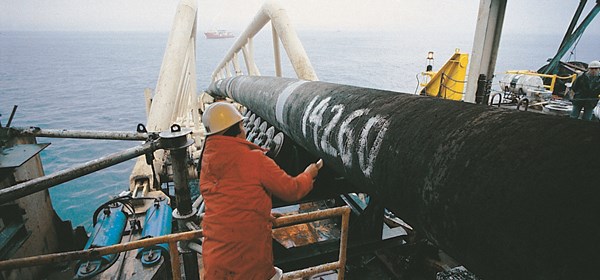
The network beneath the waves
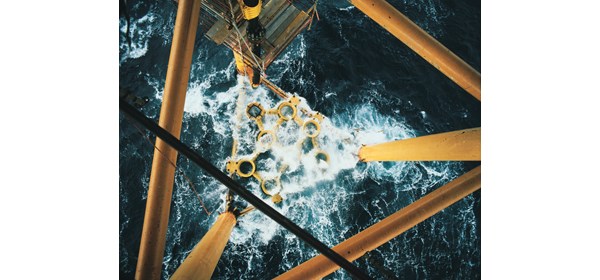
Safe structures and robust material choices
Would you like to receive Dialogue in print completely free of charge? Send an email to dialogue@havtil.no and state how many copies you would like.