A JOURNAL FROM THE NORWEGIAN OCEAN INDUSTRY AUTHORITY
Founders arming up
In a former hospital in the heart of Helsinki, Finland has built one of Europe's most dynamic startup campuses. Here, technology communities are emerging at the intersection of research, industry and defence.
Published:
17.04.2026
Text: Eileen Brundtland
Photo: Maria O1
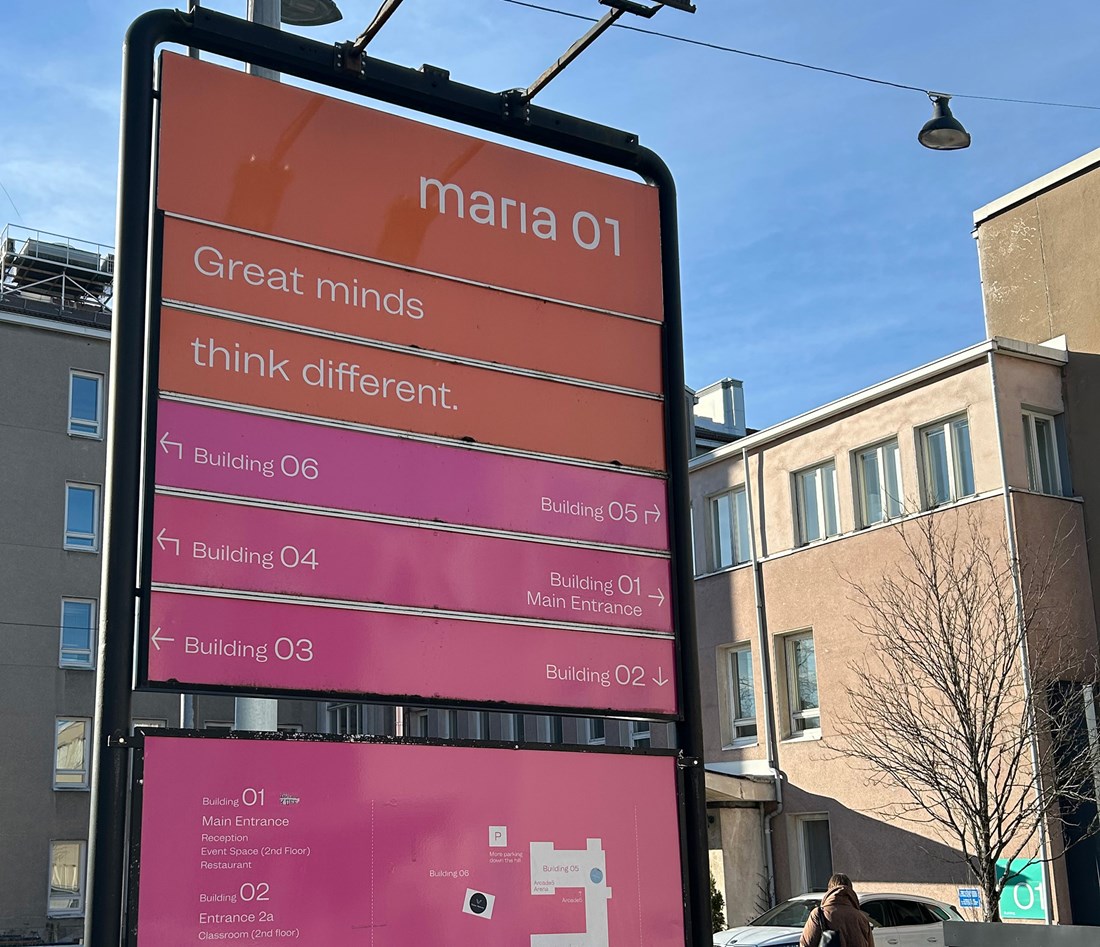
Marian Sairaala – Maria's Hospital – was the city's first hospital, founded in the 1800s and named after the Russian Tsar's wife. Today, startup campus Maria 01 carries the name forward, but the content is entirely different: Where there were once wards and operating theatres, around 230 startup companies now sit shoulder to shoulder.
Finland’s technological strength is no coincidence. It is rooted in the form the country was forced to adopt following the war.
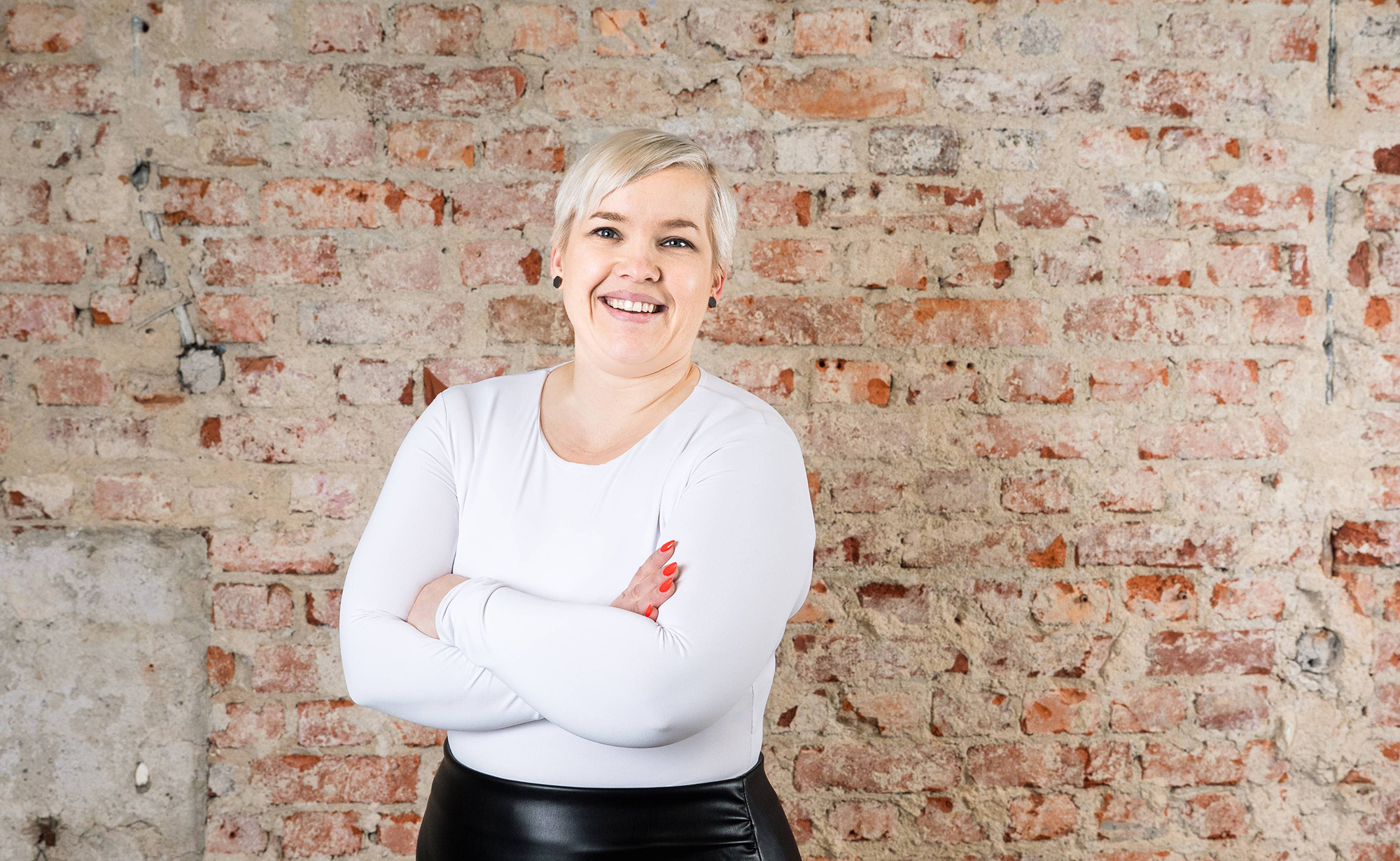
Sarita Runeberg, CEO of Maria 01, explains:
"In the post-war period, Finland had to pay war reparations to the Soviet Union in the form of trains, machinery and industrial goods. This forced the country to build up a massive industrial production, and with it the engineering mentality was born. Finland has few natural resources, except forests. To maintain a welfare state, we had to create value through technology, design and industry.”
Everything changed overnight
Runeberg has seen many shifts over the years, but none as abrupt as February 2022.
“Before the invasion of Ukraine, defence technology and dual-use were hardly discussed here. Then everything changed overnight," she says.
Today, defence technology is one of the fastest growing category of companies on campus. Major collaborations between the Armed Forces and startups are already in motion, and NATO is investing heavily in Finnish tech companies. Even startups that do not primarily work in defence technology are now considering dual‑use opportunities.
“The Armed Forces can´t always hire the most sought-after experts themselves, so they actively seek partnerships with companies that can deliver faster and more flexibly than the defence industry,” Runeberg explains.
Technology no one can copy
Technology that serves both civilian and military purposes makes certain sectors particularly important strategically. Runeberg points to quantum technology as an example of Finland’s strength in research‑based commercialisation – engineering rooted in decades of academic research and closely tied to industry.
"These are not apps and platforms, but engineering that takes decades to build and is difficult to copy. Finland is in a unique position here, because the link between universities and business is strong and deliberate," she explains.
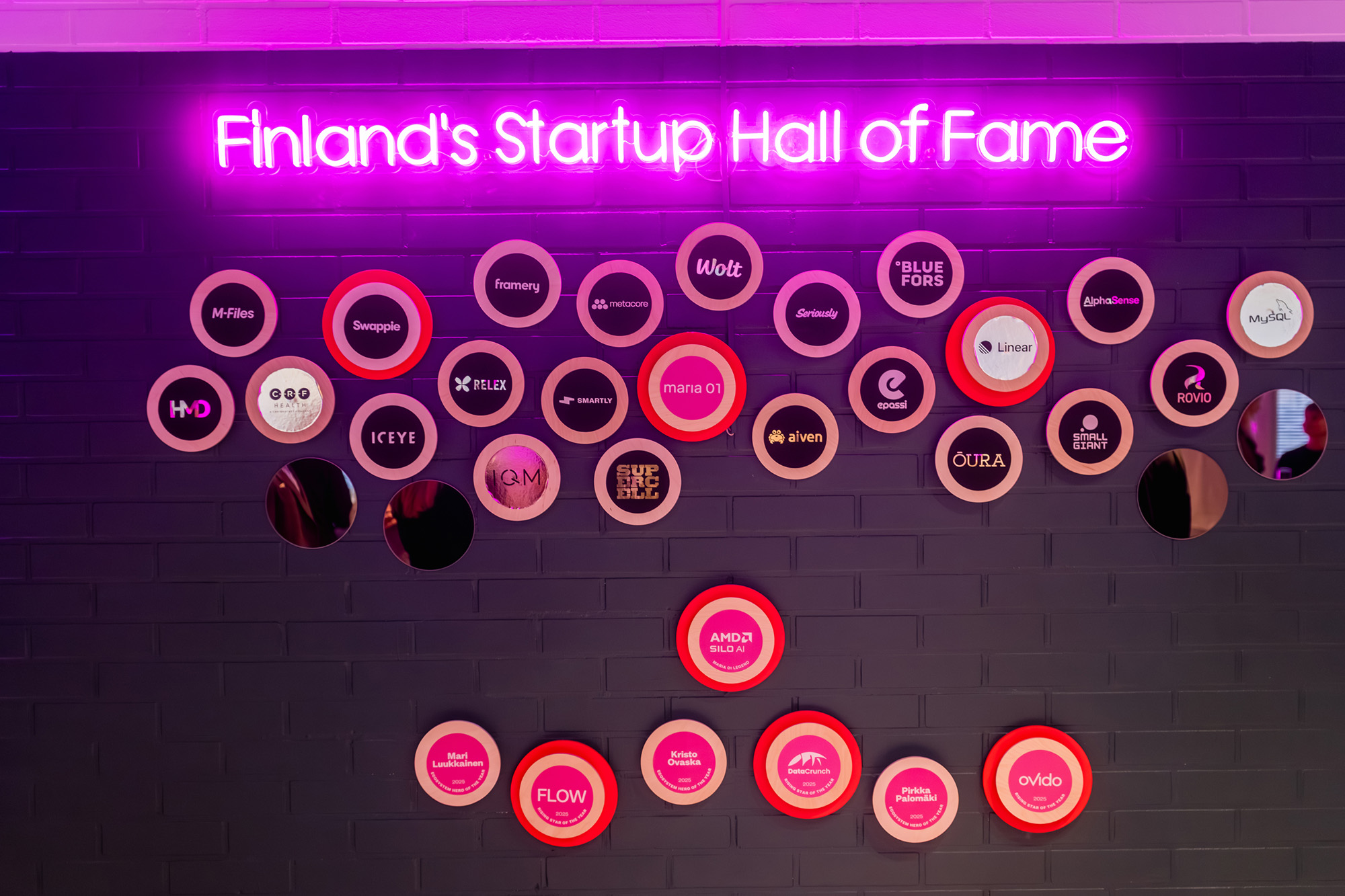
Among companies with roots in academia is IQM, specialising in quantum technology and Flow Computing, developing a new type of processor architecture that can revolutionise computing. This makes them relevant far beyond civilian markets.
“A quantum computer solving logistical issues for a civilian customer can also solve encryption problems for the defence sector.”
New target: Centaurs
In an emergency preparedness logic, stable revenues count for more than valuation. Runeberg highlights a different goal than the one long dominating startup success metrics. In the startup world, the unicorn – a company valued at over a billion dollars – is the ultimate badge of honour. A centaur is something else.
“We have a national goal of 100 companies with annual revenues above €100 million. A unicorn rises and falls with the market. A centaur has real income. That’s something to build on.”
Today, Finland has 19 centaurs, including well-known companies such as Supercell, Oura, and Wolt. Runeberg believes the number will grow rapidly, driven by a new “Nokia effect”: When downturns hit Nokia in the late 2000s, experienced engineers left and started their own companies. Something similar is happening now.
“Downsizing in large companies gives highly competent people time, capital and motivation. Many are first-time entrepreneurs in their 40s or 50s, with extensive experience and concrete problems to solve.”
In 2025, as much as 85 percent of all Nordic venture capital went to Finnish startups in defence and dual-use technology, according to Maria 01's annual impact report. The startup sector is now as large as the forestry industry in terms of export value.
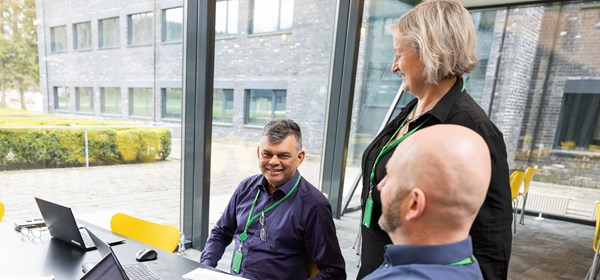
It shows. In the restaurant in the heart of the main building, the atmosphere is vibrant. Here, entrepreneurs from completely different companies meet for lunch. In the corridors, the smell of disinfectant has been replaced by the smell of freshly brewed coffee.
More articles from Finland:
Preparedness in their blood
From bark beetles to NATO
More articles from Dialogue no. 1 - 2026:
If the unthinkable should happen
Before the crisis hits
The threat assessment for Norwegian petroleum activities
Dual-purpose technology
Calls for a clear mineral strategy
New status for intervention
The network beneath the waves
Safe structures and robust material choices
Would you like to receive Dialogue in print completely free of charge? Send an email to dialogue@havtil.no and state how many copies you would like.