A JOURNAL FROM THE NORWEGIAN OCEAN INDUSTRY AUTHORITY
Safe structures and robust material choices
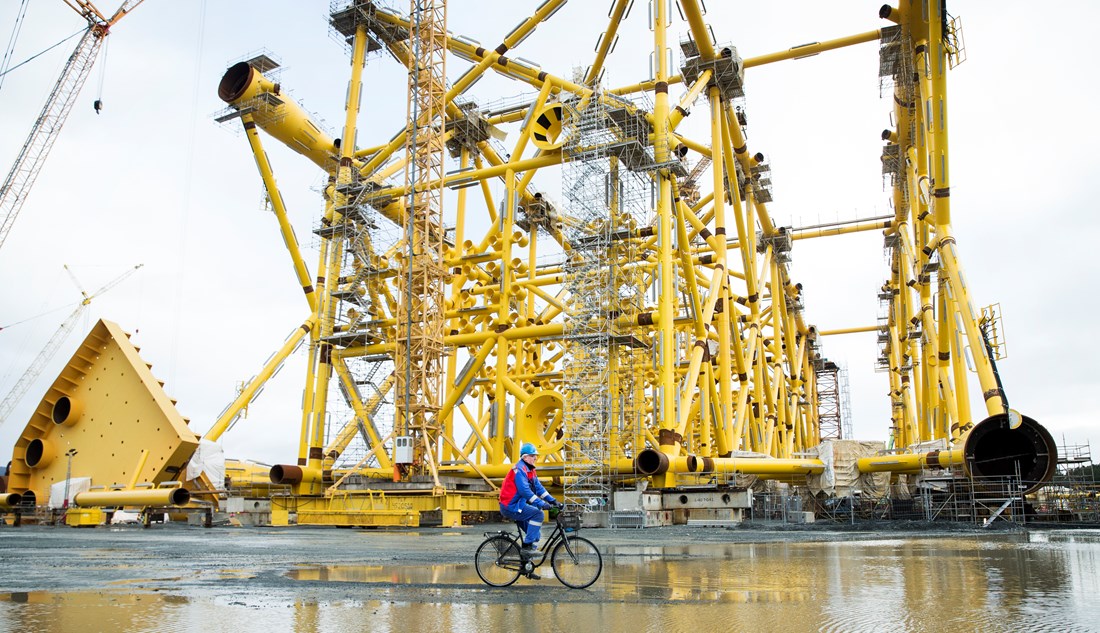
On many of the facilities on the NCS, structural steel is the load-bearing element. The steel must withstand harsh environments, absorb the forces that affect it, distribute loads and cope with the wide variations in temperature, weather and operation that accompany a long service life offshore.
Published:
27.02.2026
Text: Øyvind Midttun
Photo: NTB/Aftenposten
- Structural safety
It is no coincidence that offshore structures are built from steel. Steel combines high strength, low cost, good formability and the ability to be welded into large and complex structures. The challenge lies in everything that happens in the steel material at the micro and macro scales: grain size, alloying elements, impurities and how welding affects the properties.
The strength of steel
The first fields on the NCS were developed by foreign operators, using knowledge, experience and specifications from petroleum operations in other parts of the world, such as the Gulf of Mexico.
Tall, heavy waves and a difficult climate
However, the particular conditions in the North Sea presented new challenges. Nowhere else had large, fixed platforms been combined with such loads; in addition to corrosive salt water, the facilities had to withstand demanding North Sea conditions, with harsh weather, high winds, tall and heavy waves and a difficult climate.
Much of what was built in the 1970s has proven to be surprisingly durable. Several of the platforms at Ekofisk and Statfjord are still standing. This robustness derived from good safety margins and the practice of allowing for uncertainty, before research and laboratory testing yielded more precise knowledge about material behaviour.
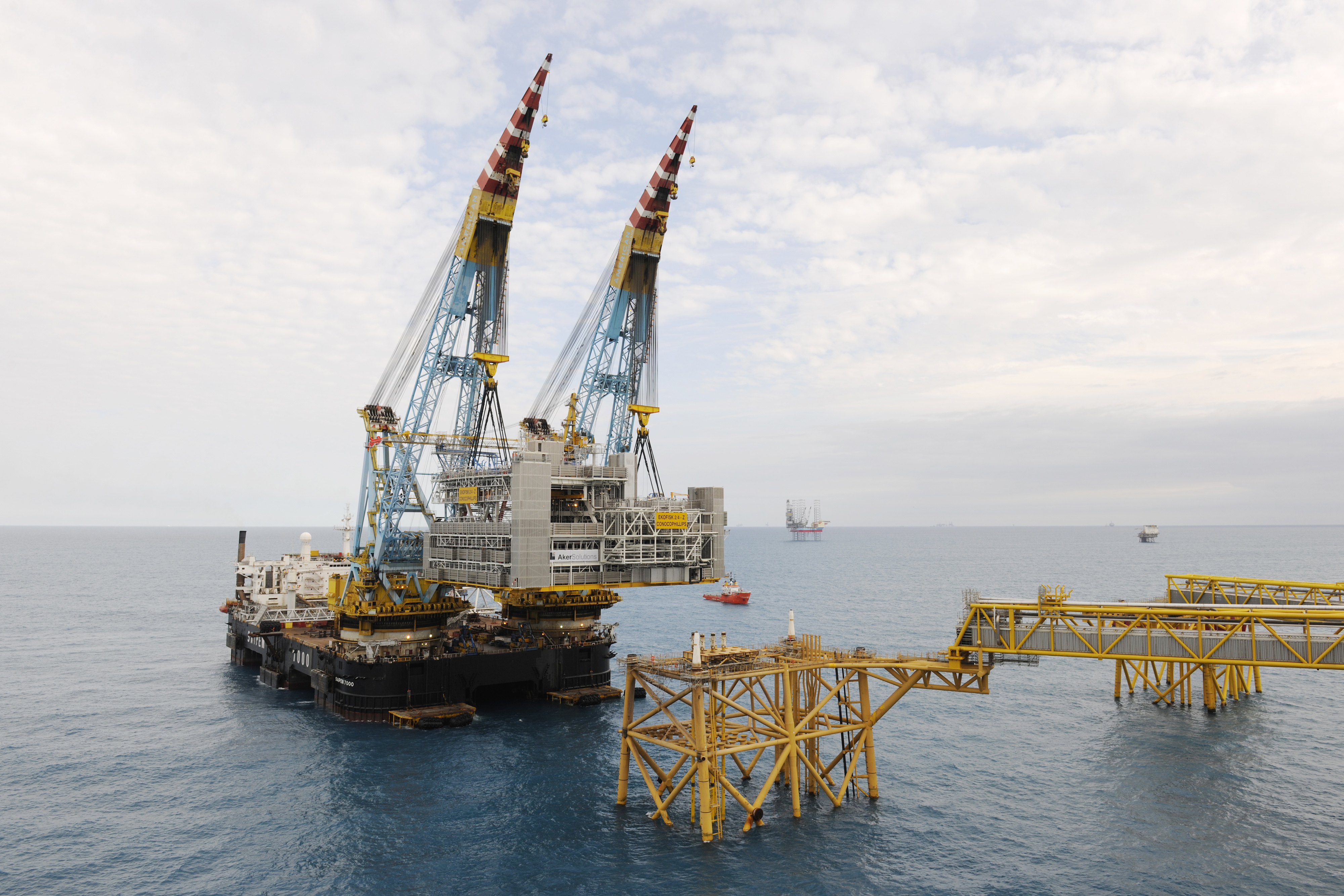
The structures had to withstand a lot, but knowledge of how steel, welds and elements develop over a long life offshore had to be strengthened. The earliest dimensioning rules focused on strength, but not, to the same extent, on the impact of defects, fatigue, temperature and corrosion.
In 1977, the Norwegian Petroleum Directorate presented the first guidelines for the dimensioning of structures. These laid the foundation for a safety format based on load and material factors, a format that essentially remains in place today. The requirements were further developed throughout the 1980s and 1990s, and included new methods for dimensioning with regard to accident loads, fatigue analyses and impact assessments. In addition, they were adjusted to take into account new types of structures that were gradually being developed.
Accidents and quality issues
In the 1970s, the NCS was largely developed using standardised types of steel. However, there was a strong desire to improve weldability so that larger material thicknesses could be welded efficiently. There was also a desire to increase strength and improve properties at low temperatures.
Lessons learned from incidents in Norway and internationally have influenced the development of our dimensioning standards. The Alexander L. Kielland flotel disaster in 1980 highlighted the need for more knowledge about fatigue calculations and requirements for the residual capacity of structures in the event of a failure.
The Kielland accident also provided impetus for more research and regulatory development.
In Norway, regulatory requirements were tightened for both accident loads and fatigue calculations throughout the 1980s and 1990s, in line with ever-increasing knowledge.
Test programme for weldability
During this period, the Norwegian Petroleum Directorate’s safety division initiated a major project to map the weldability properties of the structures planned for the North Sea. They requisitioned approx. 10 m² of steel from all deliveries for new platforms. A total of 18 different steel grades were sent to Sintef in Trondheim, where the material was tested for brittleness, crack sensitivity, and toughness at low temperatures.
The test programme showed that the steel grades had significantly greater variation in quality than anticipated. The test programme provided important knowledge and laid the foundation for stricter requirements for sulfur and phosphorus levels and for control of heat treatment during welding.
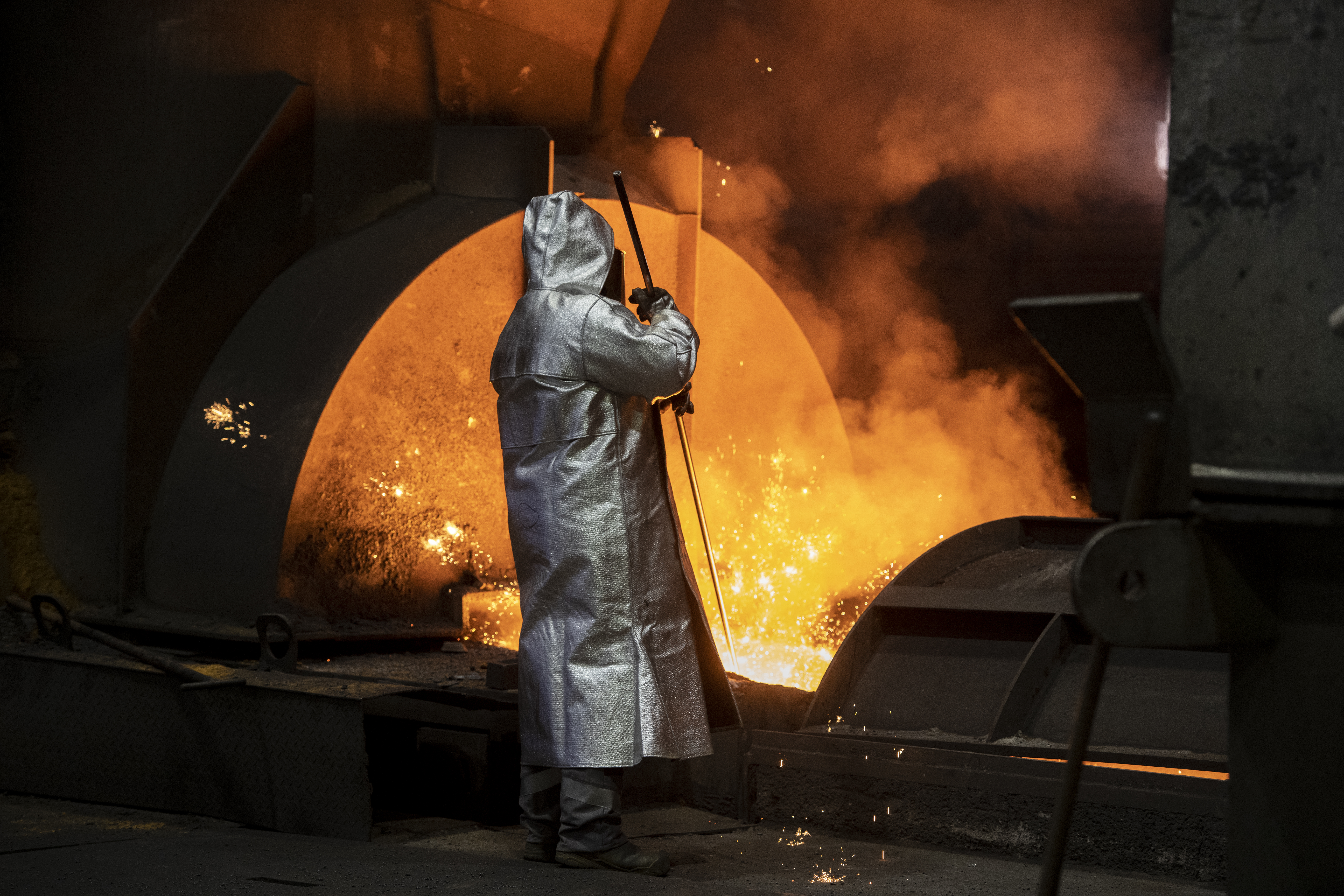
The oil companies – now also including the three Norwegian players Statoil, Norsk Hydro and Saga Petroleum – responded by developing new requirements to ensure that the structural steel could withstand all parts of the fabrication process, while retaining weldability and other important properties.
Knowledge from Japan
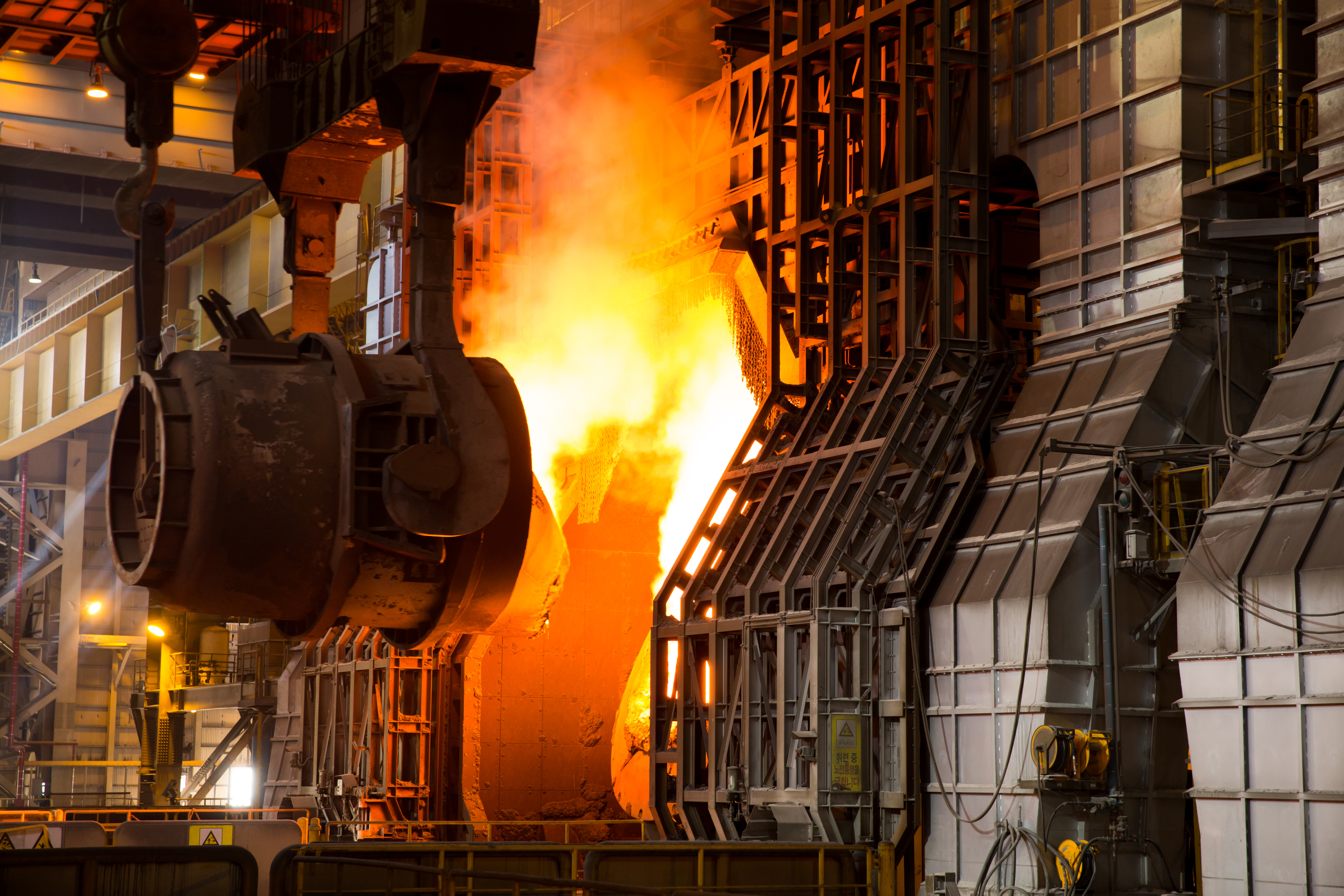
At the same time, Japanese steelworks made a significant technological leap forward with the development of micro-alloyed, thermo-mechanical control process steel (TMCP). The steel plates were rolled at a lower temperature and with controlled cooling. This resulted in a finer grain structure, higher ductility and better weldability –with less need for preheating and post-processing during fabrication at the shipyards.
Norwegian operators adopted the technology, initially through company requirements and later via the NORSOK standards.
The effect was more predictable material properties across material thicknesses and welding methods, and thus a lower risk of brittle zones in and near the weld.
Fracture mechanics
Another improvement was the introduction of fracture mechanics as a calculation tool for controlling brittle fracture and fatigue.
Fracture mechanics is the study of how cracks behave in materials and how large they can become before a structure loses its load-bearing capacity. Instead of viewing steel as “perfect”, fracture mechanics takes reality as its starting point: that there can always be small defects in different types of welded joints.
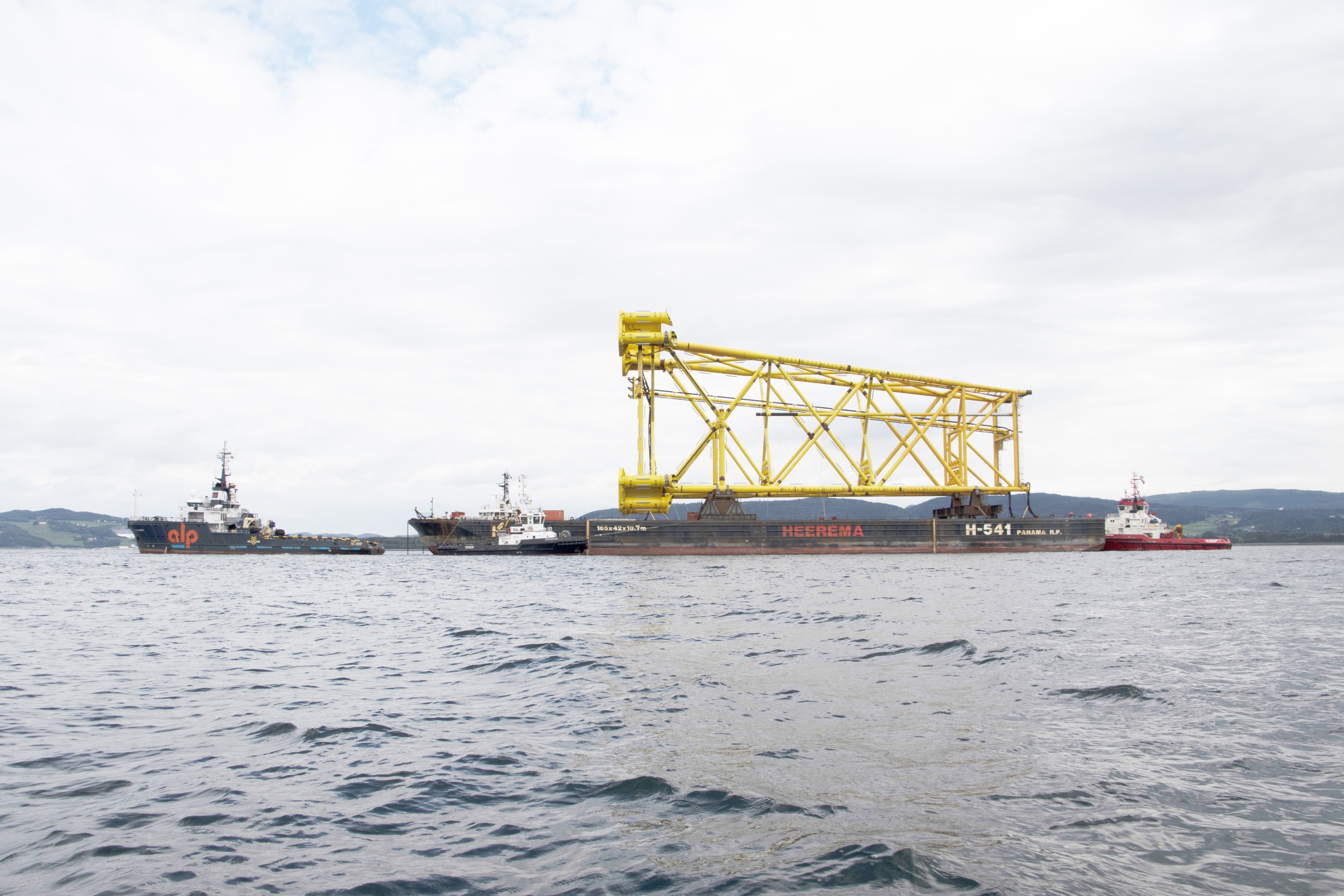
The methodology makes it possible to calculate how stresses are concentrated around a crack tip, how quickly a crack will grow under cyclic loading, and what defect size is still acceptable without significantly reducing the safety of the structure.
Fracture mechanics became important for the offshore industry. The evidence basis for the assessment of defects and cracks was improved, making it possible to avoid unnecessary repairs that could aggravate the situation by introducing greater welding stresses, while at the same time documenting that the structure had sufficient safety margins even with the presence of minor defects.
This methodology was used in large field developments, resulting in better documented safety margins and fewer unnecessary interventions in critical welds.
Tolerating variation
Even with today’s advanced calculations, it is still the behaviour of the material and elements that determine structural safety. Robustness means that the structure must be able to withstand variations or changes, even beyond what is anticipated, in operating temperature, unexpectedly high waves, welding defects, and so on.
This is particularly evident in the work on life extension. Many platforms from the 1970s and 1980s are still in operation, and the knowledge gained during the construction phase is now being used to assess how long they can remain in place. Inspections, fatigue calculations, and assessment of residual capacity are key aspects of this. Methods have also been developed to improve old welds so that their service life can be extended in a documented and safe manner.
The NCS as an arena for learning
The major development projects – Statfjord, Gullfaks, Oseberg, Snorre – were, in practice, full-scale laboratories. Large structures, thousands of metres of welding, and demanding fabrications gave both engineers and operators a unique opportunity to understand what is important for achieving safe structures. This experience was crucial when the industry joined forces in the 1990s to develop the NORSOK standards: a common set of requirements for dimensioning, materials, fabrication and maintenance.
NORSOK was based on three premises:
The steel itself had to be robust and weldable.
The production and manufacturing methods had to ensure consistent quality.
Safety-critical knowledge should be shared – not kept secret.
This led to a generally good Norwegian practice whose standards were quickly recognised internationally. Several NORSOK requirements later became the basis for ISO standards, while others are used globally without being formally approved by international certification bodies.
From individual specifications to common standards
Before NORSOK was established in the 1990s, the requirements for structures on the NCS were fragmented. Each operator developed its own specifications and requirements. The result was a multitude of parallel specifications for steel, welding and fabrication, where the same design could have three or four different sets of requirements depending on who the operator was. This created unnecessary complexity and increased the risk of non-conformities in manufacture.
The need for a common standard became clear. Major developments in the 1980s had shown that gathering requirements was not just an administrative exercise, but a prerequisite for robustness and quality. One of the first concrete initiatives was to find a steel grade that could satisfy all three Norwegian oil companies’ material specifications – a task that in itself illustrated the challenge.
Common requirements and clear specifications make it possible to build, operate and maintain structures with predictable quality, regardless of the company, project or supply chain.
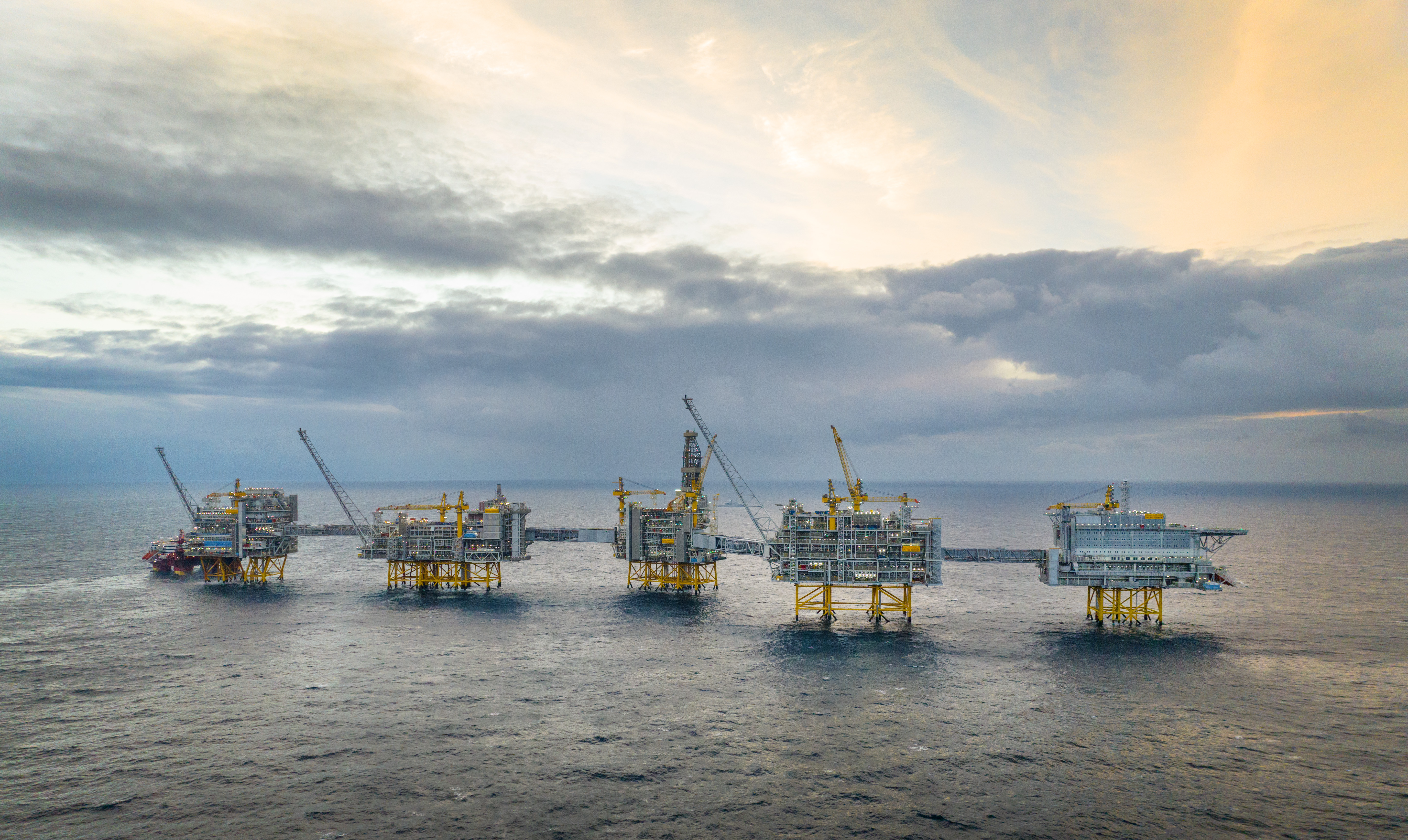
Consolidating the entire value chain
When the NORSOK project was launched in the early 1990s, the objective was clear: reduce costs, simplify and harmonise requirements, and improve the ability to document safety levels. The work united the entire value chain – operators, engineering companies, shipyards, steel manufacturers, welding suppliers and the authorities. A key objective was that safety-critical information should be shared, not kept secret for competitive advantage. This openness became one of the success factors.
The NORSOK standards that followed, such as M-101 (fabrication), M-120 (materials) and N-004 (design of offshore structures, including fatigue), led to fewer steel grades, more predictable fabrication and better control in both dimensioning and construction. At the same time, a precise “language” and better use of terminology were developed in the standards.
Competitive advantage
NORSOK also gained an important international role. When Norwegian experts met with ISO committees, they now had a common and well-developed knowledge base, which gave them considerable influence. Several ISO standards are now based directly on NORSOK requirements, and many countries and companies use them as “global standards” even though they are formally Norwegian.
At the same time, NORSOK is more than a set of requirements documents – it is a professional community. For more than three decades, experts from industry, research, and government have met to discuss non-conformities, experiences and new knowledge. The ongoing dialogue has been a competitive advantage both professionally, for our industry, and in terms of safety for the NCS.