A JOURNAL FROM THE NORWEGIAN OCEAN INDUSTRY AUTHORITY
Clear message from Petoro
A strategic approach to maintenance management is a prerequisite for a long-term perspective, profitability and safe operations, according to the NCS's largest licensee. A new study reveals which companies perform best.
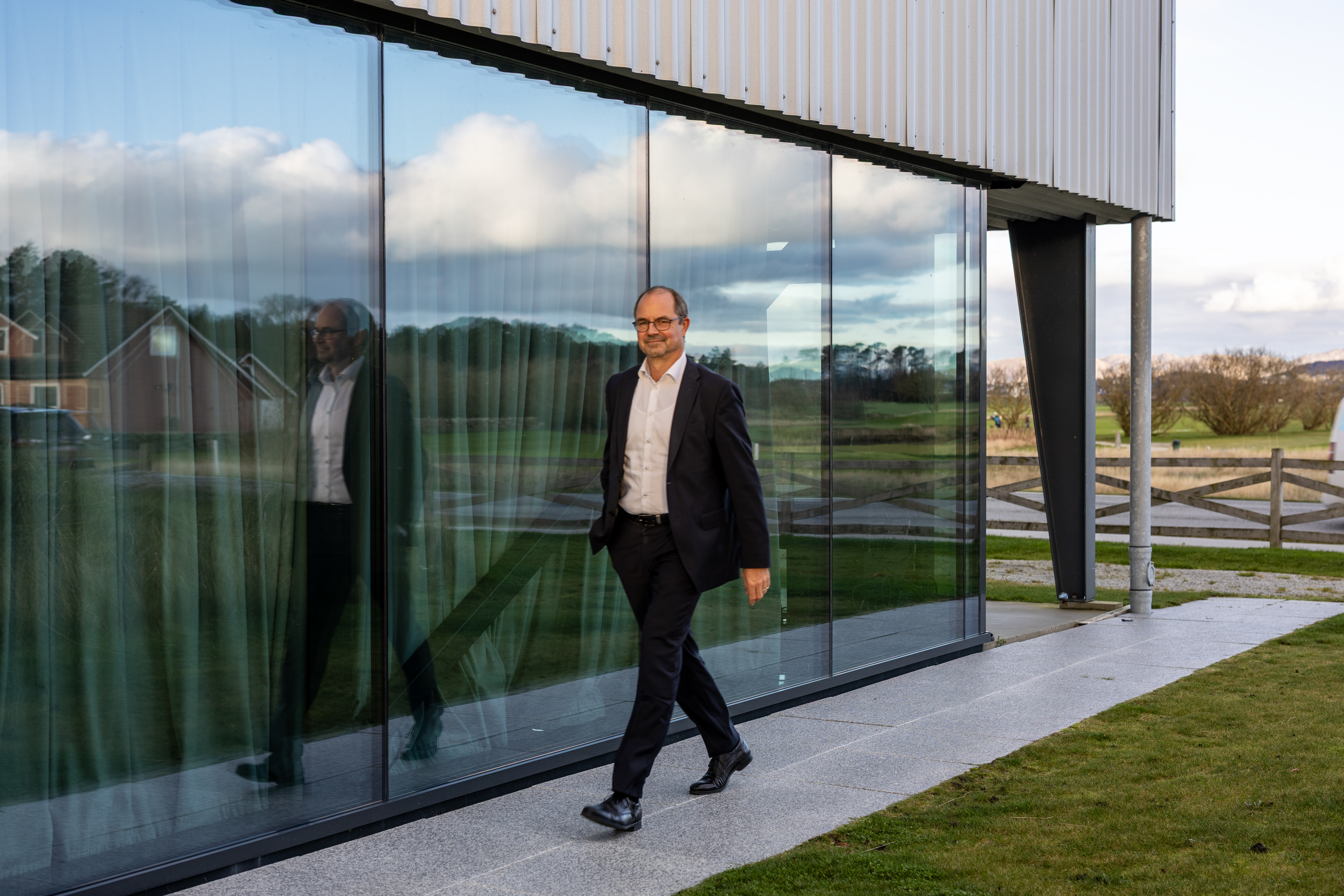 Photo: Elisabeth Kjørmo
Published:
10.12.2025
Text: Øyvind Midttun
Photo: Elisabeth Kjørmo
- Maintenance management
"A crucial prerequisite for value creation is that the facilities are in line with rules and requirements, and that they are “fit for purpose” long-term, says Kjell Morisbak Lund.
He is director of license management and technology at Petoro, the company managing the state's direct financial interests (SDFI) in petroleum activities – and thus the largest licensee on the Norwegian continental shelf.
Petoro´s responsibility as a licensee involves ensuring that the operators have control over the condition of their facilities and that operations are carried out in accordance with the regulations.
Morisbak Lund points to good maintenance management as one of the most important prerequisites for safe operation, high regularity, profitability and a long-term perspective.
Longest horizon
"By definition, Petoro has the longest horizon on the NCS. Their mission is to safeguard the SDFI until activity comes to an end.
This doesn´t mean that other owners don´t have a long-term perspective. But companies follow different business drivers; some are in effect for a shorter period than others, so the focus naturally shifts to a more short-term approach," says Morisbak Lund.
He emphasises that Petoro is commercially structured, with a commercial mandate to maximise the value of the SDFI.
“Profitability is a prerequisite for a long-term perspective,” he points out.
“Profitability is also a prerequisite for activity. This means creating a solid revenue base and ensuring quality in the long-term plans for the facilities.
History has shown that most facilities last longer than originally anticipated. This must be factored into the plans, also on the revenue side. Once substantiated, it will be easier to make decisions on the strategic use of resources to keep ageing facilities in good condition - for 10, 20, 30 years and beyond.”
Maintenance must be managed from a ten-year, and sometimes, from a hundred-year perspective.
What do the top performers do?
Petoro´s work is based on large volumes of data from the operators, combined with its own analyses and assessments. The company recently carried out a global benchmarking of its portfolio to provide an improved overview and enhance production licenses.
The aim was to discover what characterises those stakeholders which excel at ensuring technical integrity and robust operations over time.
According to Morisbak Lund, the study identifies six factors for superior performance. His comments are as follows:
1. Sensible organization and the right incentives
“The organization must facilitate incentives working in harmony. In practice, we see examples of performance indicators (KPIs) which collide, creating management problems.”
2. Leadership with in-depth facility knowledge.
“Managers with an in-depth understanding of the facility deliver better results.”
3. Standards that are fit for purpose.
"The Norwegian continental shelf contains both old and modern facilities. When old facilities are measured against new standards, gaps often occur. This doesn´t mean that operations are unsafe, but it leads to compensatory measures and can create unclarity.”
4. Simplification and prioritization using high quality data.
“Management quality will never be better than the data base on which decisions are founded. If the data base is not top tier, this is concerning.”
5. Avoid KPI conflicts and one-sided focus on costs.
“A lot of maintenance is governed by rules with defined intervals and programs. Where management is characterized by resource constraints and allocation keys, there is a risk that not everything needing to be done is actually done.”
6. Long-term ownership and perspective.
“Maintenance must be managed from a ten-year, and sometimes, from a hundred-year perspective. This way of thinking must form the basis for priorities and decisions from start to finish.”
Main theme can help
Morisbak Lund believes that Havtil's main theme for 2026, Investment in the Norwegian continental shelf must come at a cost, can contribute to a long-term, strategic conversation about resource use.
“The intention behind the theme is good. It may provoke, and that's a good thing. It creates a forum for discussion.
The Norwegian shelf is mature. Every barrel recovered is becoming more costly, and eventually operations cease when costs exceed revenues. The industry is programmed to reduce costs, but we must avoid cutting costs to the point of ultimately creating a false economy.”
Lund points out that the industry is exposed to cyclical fluctuations. Fluctuating prices mean fluctuating revenues - and this impacts the willingness to spend money in the short term.
“When there are resources in the ground and operations for decades to come, we need to have faith in profitability and have the leeway to do what is necessary to ensure safe and stable operations," he says.
“However, maintenance needs to become more efficient. Doing more for less in smarter ways is an ongoing goal as technology and work processes continue to evolve.”
Read more articles from Dialogue no 2-2025:
Articles from Dialogue no 2-2025
Would you like to receive Dialog in print completely free of charge? Send an email to dialogue@havtil.no and state how many copies you would like.